You're not stuck, you're just alone at the top. Most entrepreneurs hit a ceiling, not because the opportunity isn't there, but because you're solving $10M problems with $1M strategies.
One of our community members — we’ll call him Jorge — was looking to buy a cash-flowing HVAC business when he came across a deal that seemingly checked a lot of the right boxes.
Jorge did the math, lined up financing, and put together an offer.
But as he started digging — and opened the deal up to feedback from experts and other buyers in our community — more questions emerged. Among them:
Why did the seller’s best year ever happen to be the year he wanted to sell?
Why were the books so hard to piece together?
And what exactly counted as a legitimate add-back?
Let’s take a closer look.
DEAL GLANCE
What It Has Going For It
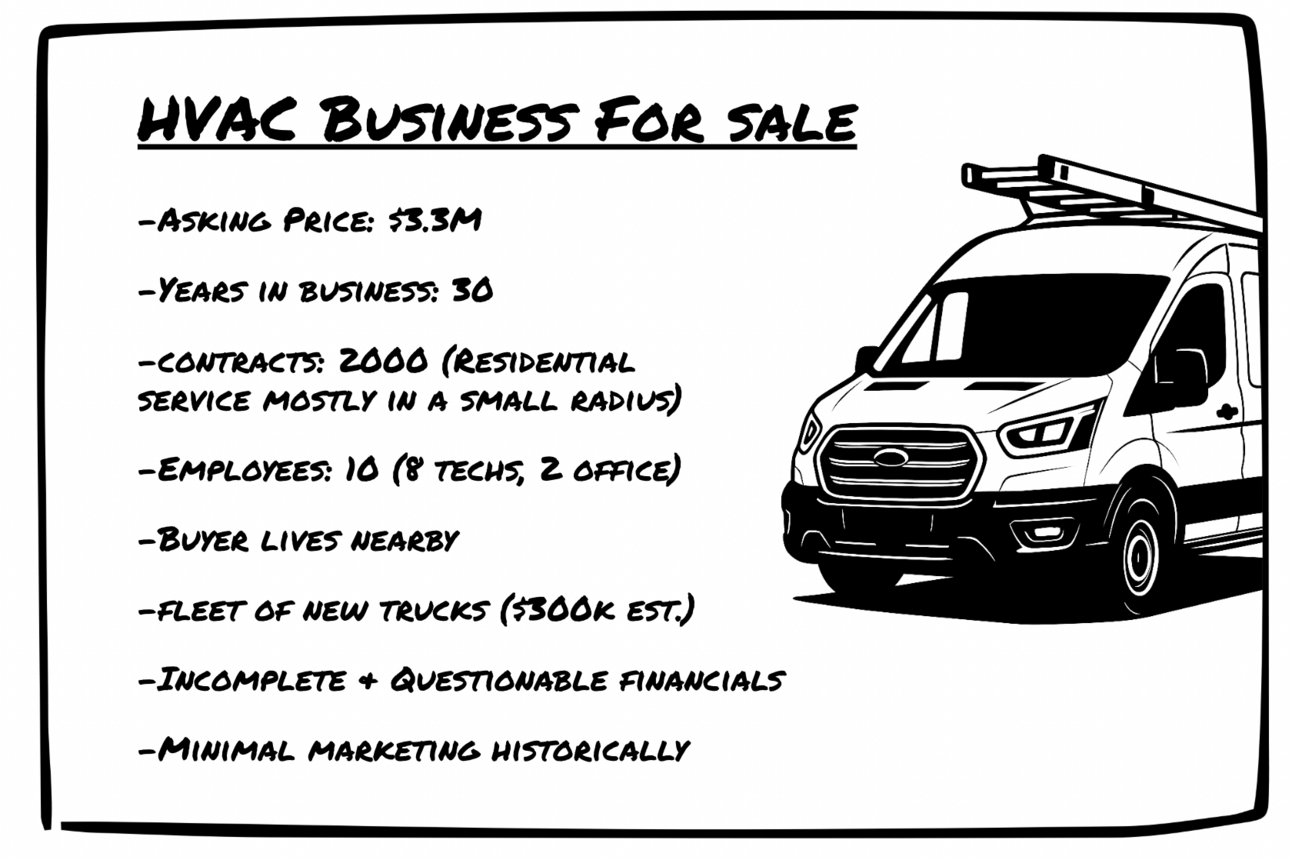
Jorge’s target was a residential HVAC company with a concentrated footprint. The business served customers within a 10-mile radius and had a few critical winning features:
10 employees (8 technicians, 2 office staff)
2k+ active service contracts
A truck fleet that was mostly under 2 years old, with a reported value of $300k
Minimal marketing historically, but a ~$600k bump in 2024 revenue following a big marketing push
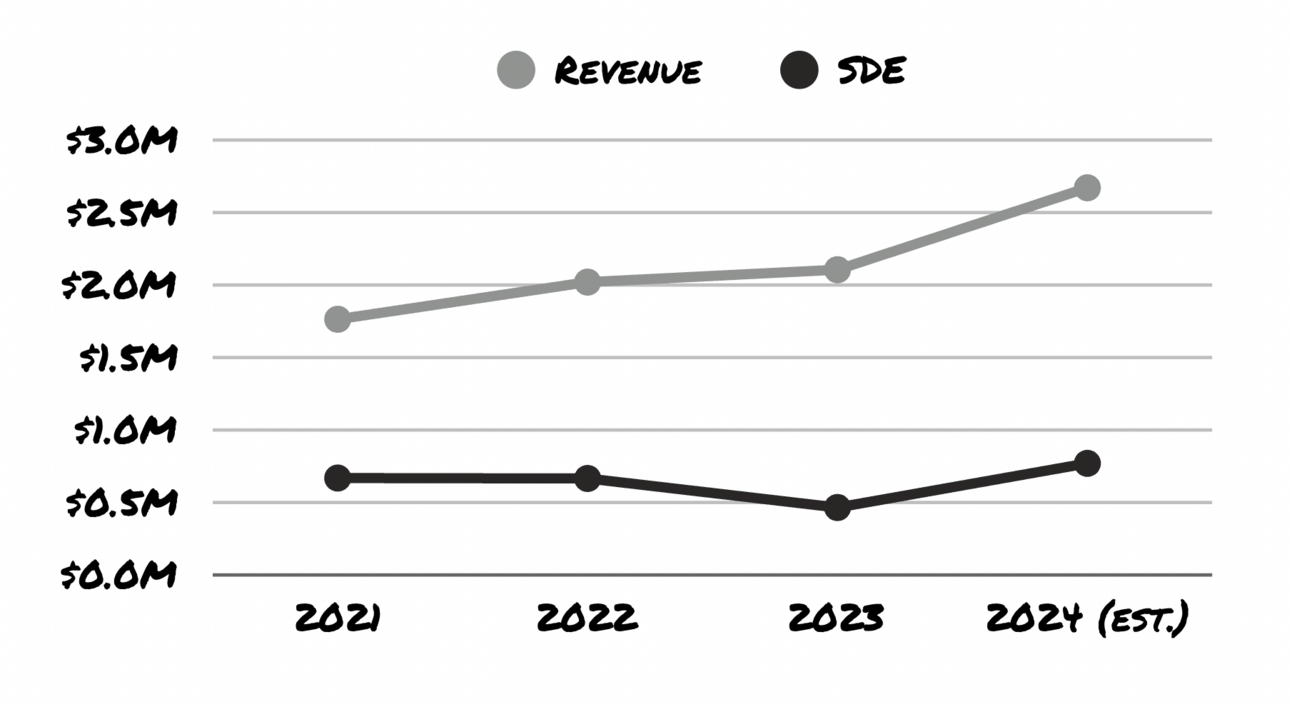
Here’s what the company reported financially:
The buyer’s initial offer on the $3.3M listing was structured around a $2.8M proposed purchase price, with around $300k cash down, approximately 40% funded through seller financing, 10–15% seller equity retention with a buyout option, and the remainder funded through an SBA loan.
DIGGING DEEPER
Industry Snapshot
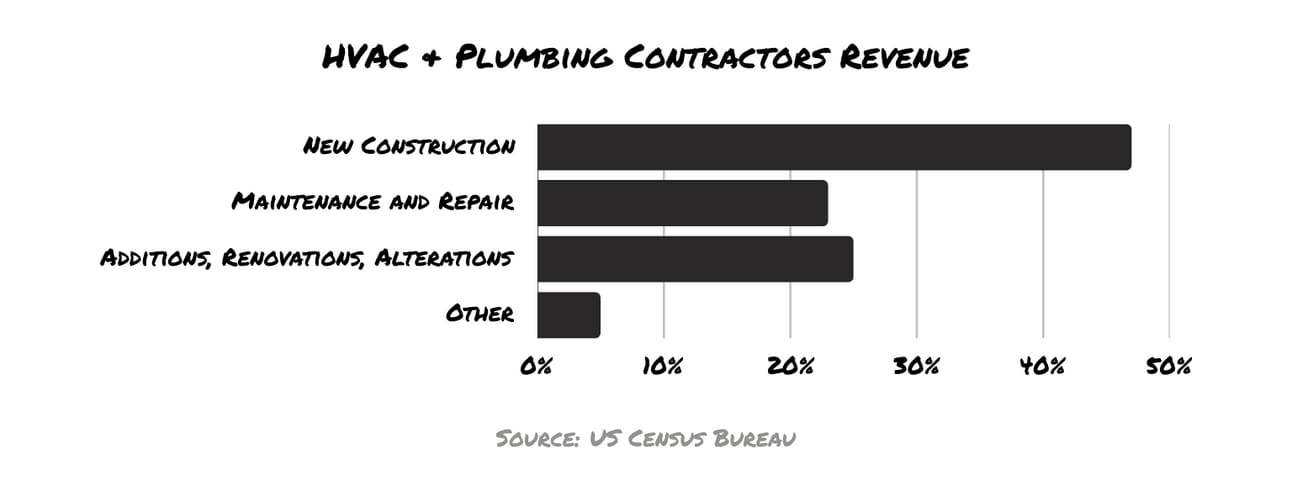
HVAC and plumbing (often bucketed together) is a sizable sector.
More than 105k contractors operate across the U.S., employing over 1.2M people and generating $218B annually. Most are small, local, and unsexy.
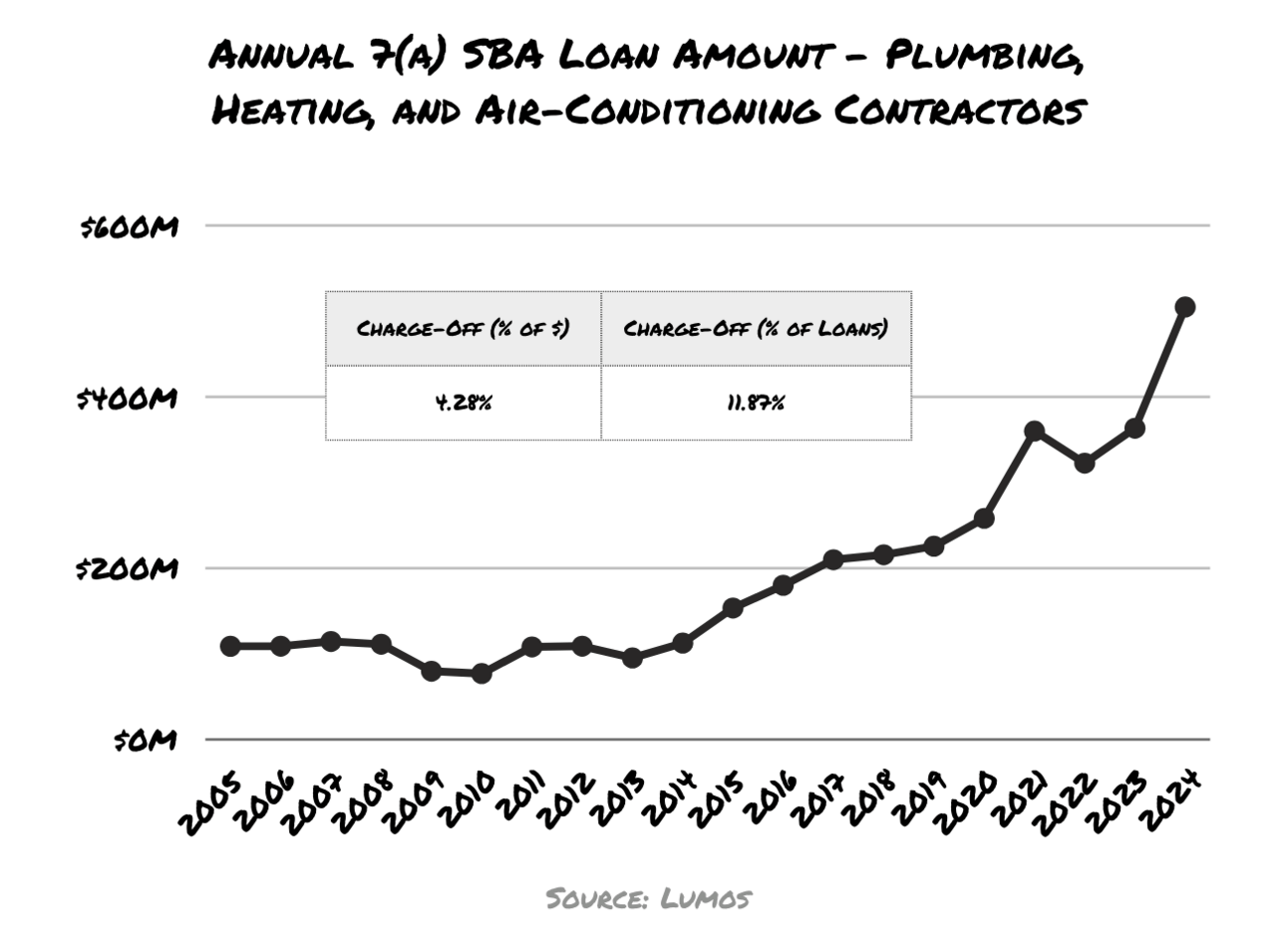
HVAC deals have increasingly been funded through SBA 7(a) loans — proof that banks, brokers, and buyers alike see this as a relatively reliable, growing sector.
But… Not all contractors are created equal. Over 60% of contractors are solo operators, generating just $65k/year in revenue. Firms that hire, systematize, and invest in scale begin to look very different, especially in revenue per employee.
That’s why this week’s $3.3M deal initially stood out. A team in place, trucks on the ground, and growing revenue despite minimal historic marketing.
COMPS
What’s It Worth?
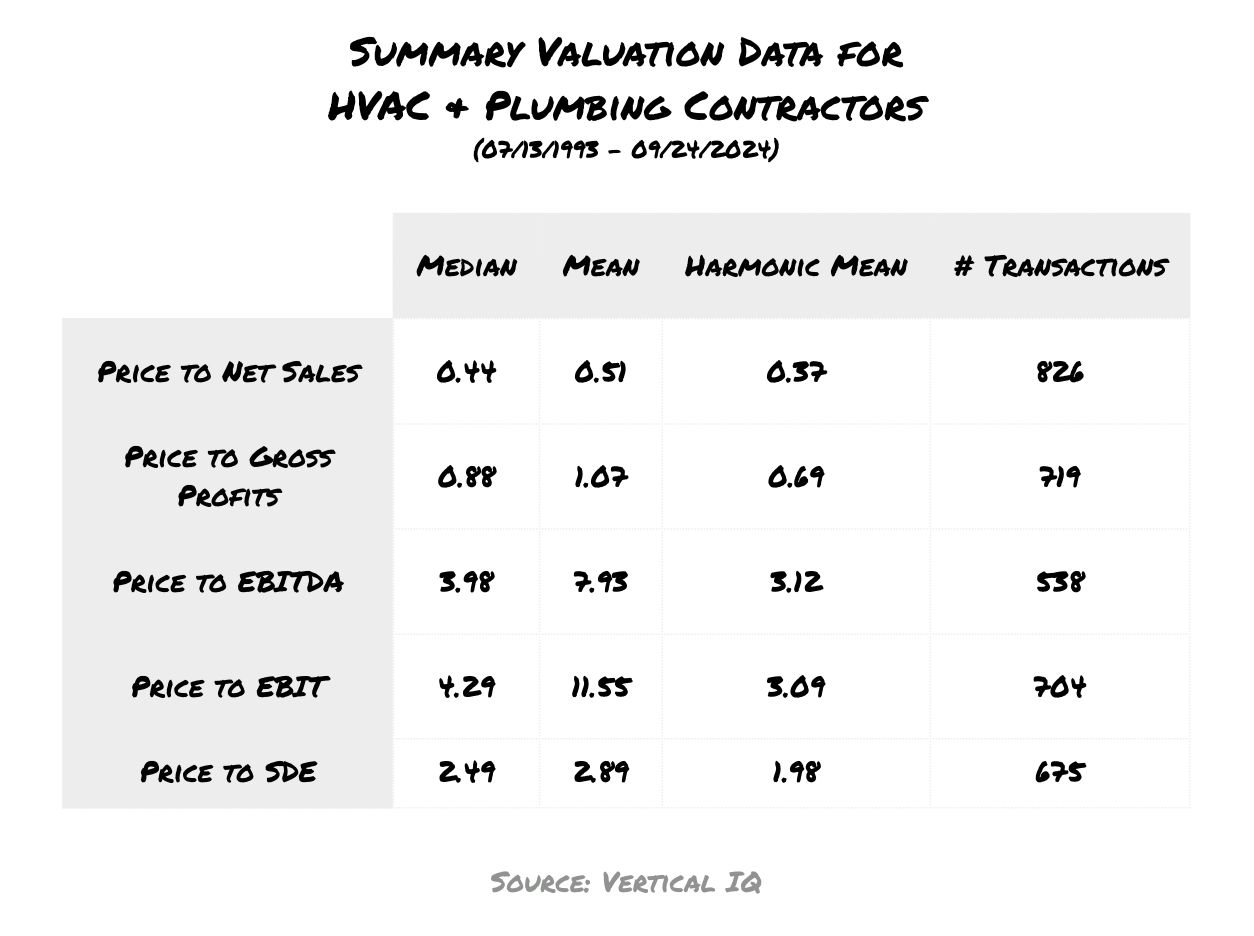
Valuations in this space swing widely, but the comps give us context.
The 3.6x SDE multiple on this deal price sat above the median, but not out of line for a company with service contracts, documented growth, and infrastructure to scale.
From our calls with buyers and sellers, these three levers consistently separate top operators from the average Joe in a van:
✅ Local marketing: Paid search, mailers, review engines = leads. One real campaign boosted this business’s sales by a reported $600k.
✅ Tech productivity: Routing, mobile tools, and pre-stocked trucks = more jobs per day.
✅ Pricing discipline: Flat-rate works if you know your numbers and have scale. But lowballing can kill margin and brand.
But even strong businesses are vulnerable...
Seasonality can crush revenue. Copper and steel price swings can eat into profit. Payment delays can make spending on payroll and parts a juggling act. Construction cycle dependence adds volatility. That’s why revenue mix matters.
This particular deal leaned heavily toward service contracts, a good signal for buyers looking for recurring revenue and cash flow resiliency.
RED FLAGS
Potential Roadblocks
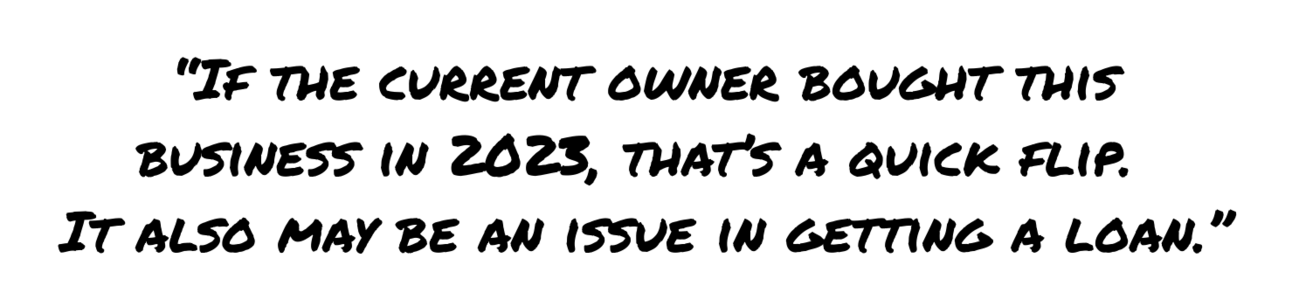
One of our deal facilitators, Candice Seiger, who has run businesses for 20+ years, raised concerns about a short ownership period.
But there was another issue...
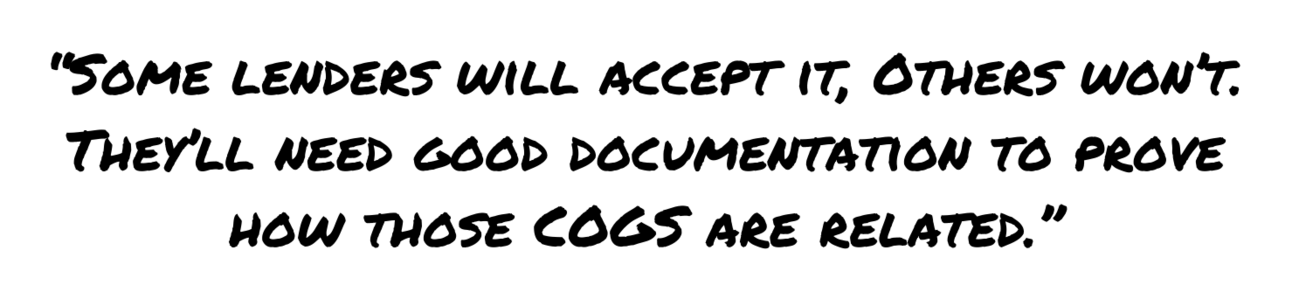
The seller had reportedly expensed a $200k personal home renovation under cost of goods sold — and was now potentially attempting to include it as an addback.
Even if accepted, debt coverage was tight.
Jorge’s own analysis showed a debt service coverage ratio of 1.19. Candice noted that most SBA lenders require at least 1.2, and many experienced buyers aim for 1.5 to build in a safety buffer.
THE BOTTOM LINE
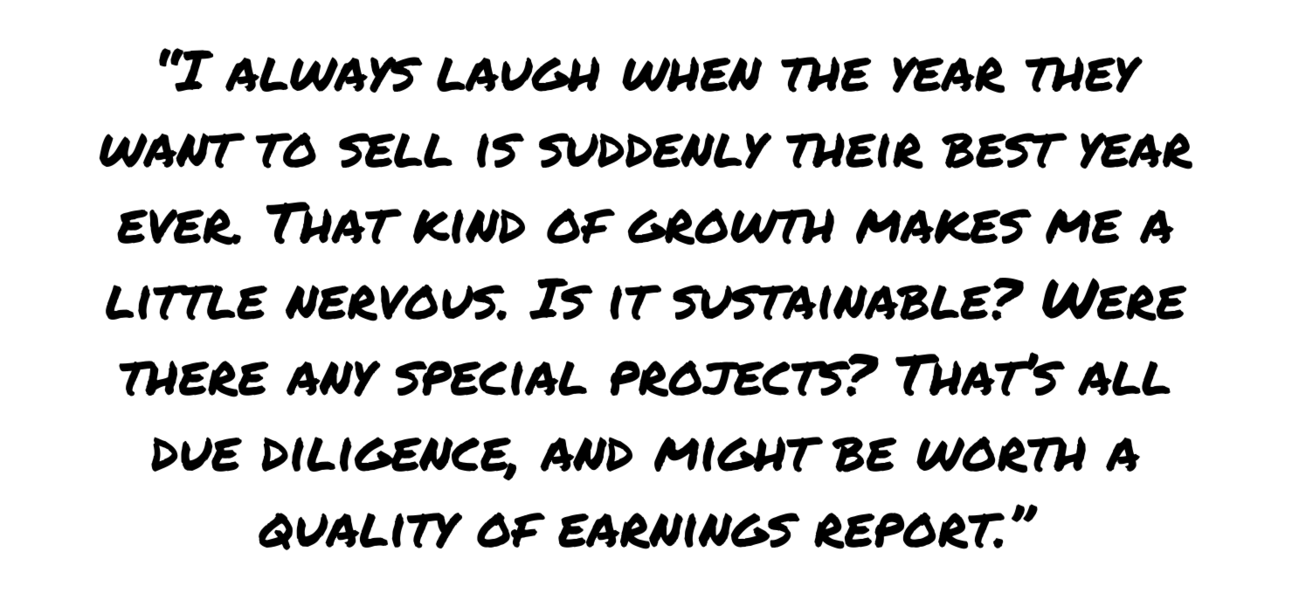
About that 27% YoY growth...
The deal’s revenue growth — from $2.1M in 2023 to nearly $2.7M in 2024 — raised eyebrows, too. Facilitator Lloyd Silver cut to the chase:
The energy was clear: momentum looks good, but assumptions need pressure-testing. If the buyer can:
Clean up the numbers with the seller
Clarify lender requirements
Lock in the right deal terms…
Then this deal could work. But if not? That $3.3M price tag might come with more heat than Jorge bargained for.
THE DECISION
How It Played Out
Just days after the live call, Jorge gave the group an update.
“Unfortunately, this deal fell through yesterday. There were some things on the financials that even the bank was having difficulty understanding. For the best, I think.”
Natalia, another member, replied: “Sometimes rejection truly is a form of protection.”
The buyer walked away from the deal sharper, more experienced, and better prepared for the next one. And everyone watching got a lesson in what it takes to underwrite, negotiate, and walk away.
Today’s story scratched the surface of justone live deal. Every week, our community dives far deeper into many more deals they’re working on. Want to join? Reach out to our team here.
The information contained here is educational, may not be typical, and does not guarantee returns. Background, education, effort, and application will affect your experience and the profitability of any business. Individual results may vary.




.avif)








.png)
%20(1).png)
.png)



.svg)


